The Stage Is Everywhere Now: How Live Performers Are Building Real Careers in a Digital World
Ask a theater director from 2015 what "streaming" meant to their career, and you'd probably get a blank stare. Ask a working dancer, musician, or stage performer the same question today, and you'll get a 20-minute answer that covers Twitch, Patreon, hybrid ticketing models, virtual masterclasses, and at least one story about a performance that reached more people online than it ever would have in a 200-seat venue.
The performing arts didn't survive the digital age by staying the same. They survived by getting creative.
A Forced Reinvention That Stuck
The pandemic years were brutal for live performers — there's no sugarcoating that. Venues shuttered, tours evaporated, and an entire ecosystem of stage managers, lighting designers, choreographers, and musicians suddenly had nowhere to work. But something else happened during that period, too. Performers who had always assumed digital was somehow lesser than live found themselves experimenting out of necessity, and discovering that the internet could be a genuine creative space — not just a marketing channel.
Virtual performances, online workshops, streaming shows, and digital residencies weren't just stopgaps. For a meaningful number of artists, they opened up income streams and audience relationships that didn't exist before.
The question now isn't whether digital belongs in a performer's career. It's how to integrate it sustainably without losing what makes live performance irreplaceable.
What "Sustainable" Actually Looks Like
For Camille Osei, a contemporary dancer and choreographer based in Atlanta, sustainability came from stacking multiple digital income streams around her live work rather than treating them as separate worlds.
"I used to think of everything online as promotional," she says. "Like, I post content to get people to come see me perform. But that's not really how it works anymore. My online audience is its own community. Some of them have never seen me in person and probably never will. And that's okay — they still support my work."
Camille now runs a Patreon where subscribers get access to monthly process videos, exclusive choreography breakdowns, and occasional live-streamed rehearsals. It brings in consistent monthly income that doesn't depend on whether she books a particular gig. Her live performances are still the heart of her practice, but they're no longer the only thing keeping the lights on.
This kind of diversified model — what some in the industry are calling a "portfolio career" — is becoming increasingly common among US-based performers who've figured out how to make digital work for them rather than against them.
The Hybrid Event Revolution
One of the most interesting developments in the performing arts right now is the rise of genuinely hybrid events — performances designed from the ground up to work simultaneously for in-person and online audiences, rather than just streaming a live show as an afterthought.
Theater companies in cities like Chicago, Portland, and New York have started building digital audience experiences that run parallel to their physical productions. Viewers who tune in remotely aren't just watching a camera feed — they're getting interviews with cast members, behind-the-scenes access, interactive Q&A sessions, and exclusive digital programs. The ticket price is lower than in-person, but the experience is designed to feel like its own thing, not a consolation prize.
For smaller performing arts organizations, this approach has opened up real revenue possibilities. A regional dance company that might sell out a 300-person venue can now reach 1,500 people in a single night across both channels. The overhead for the digital component is relatively low once the infrastructure is in place, and the audience data they collect — who's watching, from where, how long they stay — is invaluable for future planning.
Musicians Finding the Sweet Spot
In the music world, the tension between digital and live has been playing out longer than anywhere else, and some artists have found genuinely inventive ways to navigate it.
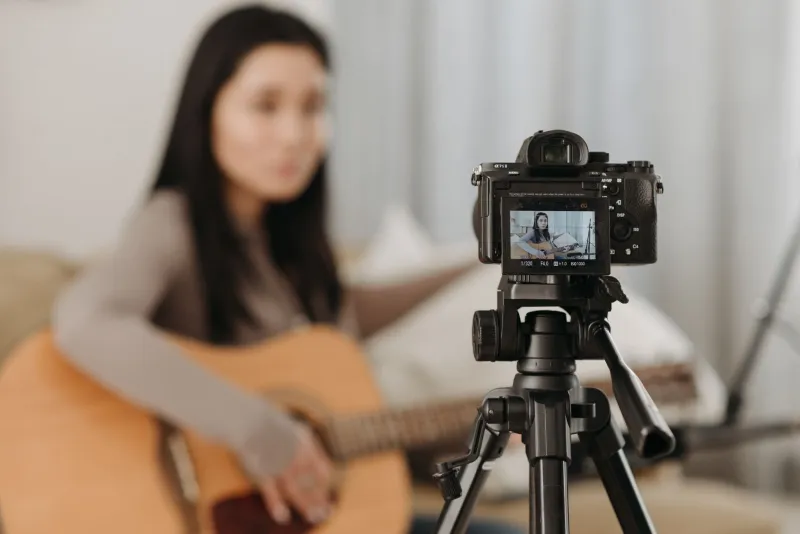
Derek Vance, an indie folk musician from Nashville, spent years trying to make the traditional touring model work before deciding to radically restructure his approach. He now does far fewer live shows per year — maybe 20 instead of 80 — but each one is treated as a major event. Between tours, he maintains a steady presence through a Substack newsletter, a members-only Discord community, and occasional intimate live-streamed performances on his own website (not a third-party platform, which means he controls the ticketing and keeps a larger share of revenue).
"The touring grind was burning me out and not actually making me money once you factor in everything," Derek says. "Now I make more per show, I have a community that's genuinely invested in what I do, and I write better music because I'm not exhausted all the time."
His model isn't for everyone — it requires building a direct audience relationship and being comfortable with consistent online communication. But it's a compelling example of what's possible when performers stop treating digital as secondary.
Protecting the Craft in a Screen-First World
Not every performer is enthusiastic about the shift, and that skepticism deserves respect. There are real things that live performance does that no screen can replicate — the shared breath of an audience, the physical presence of a dancer, the acoustic resonance of a voice in a room. These aren't small things.
The artists who seem to navigate this most successfully are the ones who are clear about what they're protecting. They use digital tools to expand their reach and stabilize their income, but they don't let the demands of content creation dictate their artistic choices. They make work for the stage first, and then think carefully about how — or whether — to translate it for other formats.
Laura Chin, a theater director based in Los Angeles, puts it simply: "I'm not interested in making content. I'm interested in making theater. If some of that theater reaches people through a screen, great. But the screen is never where I start."
A New Kind of Creative Career
What's emerging from all of this experimentation isn't a single model — it's a range of possibilities that didn't exist even a decade ago. Performers are teaching online masterclasses, licensing their work for streaming platforms, building subscription communities, producing exclusive digital content, and designing hybrid events that treat in-person and online audiences as equally valued.
None of it is easy. Building a direct audience relationship takes time and consistency. Learning the technical side of streaming and digital production has a real learning curve. And the performing arts still need physical venues, live audiences, and all the human infrastructure that makes live performance possible.
But the performers who are thriving right now tend to share one thing in common: they stopped waiting for the industry to figure it out for them, and started building the career they wanted with the tools available.
At Rey Artists, that kind of creative resourcefulness is exactly what we're here to celebrate. The stage really is everywhere now — and the artists who understand that are just getting started.