Better Together: Meet the Artist Collectives Quietly Revolutionizing the US Creative Scene
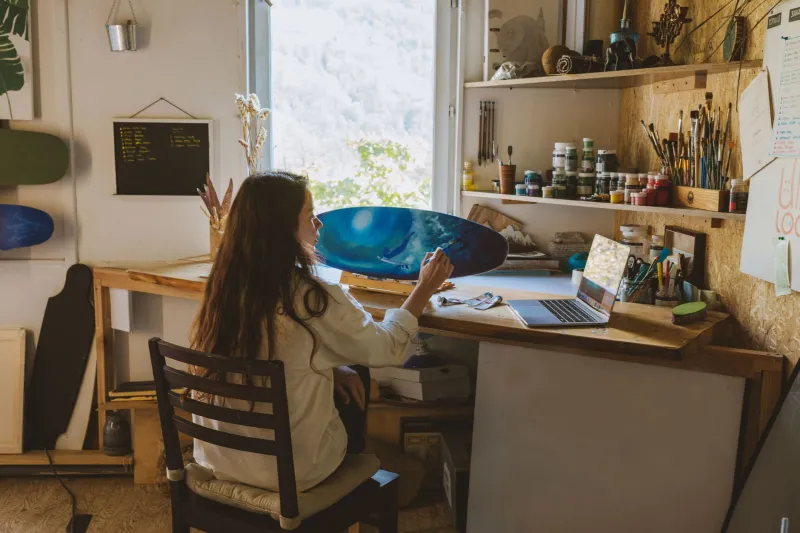
There's a persistent romantic image of the artist as a solitary figure — brooding in a studio, misunderstood, grinding alone until the world finally catches on. It's a compelling story. It's also, more often than not, a recipe for burnout.
The reality of building a sustainable creative career in America is messier, lonelier, and far more expensive than the myth suggests. Studio rent is brutal. Health insurance is a nightmare. Marketing yourself while also making work is a full-time job on top of a full-time job. So it makes a certain beautiful sense that artists across the country are looking at each other and saying: what if we just did this together?
From warehouse studios in Detroit to performance networks in New Orleans, artist collectives are reshaping what a creative career can look like. These aren't just friend groups with a shared aesthetic — they're organized, intentional communities building real infrastructure for sustainable artistic lives. Let's meet five of them.
The Compound Collective — Detroit, Michigan
What started as three painters sharing a warehouse lease in 2019 has grown into a 22-person interdisciplinary collective operating out of a sprawling Eastern Market space. The Compound Collective includes painters, sculptors, woodworkers, a sound artist, and two muralists — and the cross-pollination is the whole point.
"When a muralist is working three feet from a sound artist, weird things happen," says founding member Daria Simmons, laughing. "Good weird. You start thinking about your work differently because you're surrounded by people who think about theirs completely differently."
The collective shares equipment, splits exhibition costs, and rotates a monthly open studio event that's become a genuine fixture in Detroit's arts calendar. Crucially, they also pool administrative work — one member handles grant writing, another manages social media, another coordinates sales. "None of us want to do all of that alone," Daria says. "This way, everyone does a little, and it actually gets done."
Takeaway for artists: Divide the unglamorous work. Identify each member's strengths and assign roles accordingly. Administrative burden kills creative momentum.
Las Raíces — Los Angeles, California
Founded by a group of Latinx muralists in Boyle Heights, Las Raíces has grown into one of LA's most visible public art forces. Their work — bold, politically engaged, deeply rooted in community history — covers building facades across East LA and has been commissioned by the city, local nonprofits, and national brands.
But their impact goes beyond the murals. Las Raíces runs free weekend workshops for youth in the neighborhood, mentors emerging artists, and has built a model where commercial commissions subsidize community work. "We don't separate the art from the community," says co-founder Elena Vargas. "The community is why the art exists."
Their collective structure has also given them negotiating power that individual artists rarely have. When a brand approaches Las Raíces, they're dealing with a united front — a clear contract, fair rates, and creative control built into every agreement.
Takeaway for artists: A collective has bargaining power that individuals don't. Unified pricing and shared contracts protect everyone.
The Periphery — Brooklyn, New York
The Periphery occupies a deliberately awkward space — they describe themselves as "a collective for artists who don't fit anywhere else." Their membership spans performance art, experimental film, textile work, and sound installation. They share a small studio in Bushwick and an even smaller budget, but what they lack in resources they more than make up for in creative audacity.
Their annual showcase, held in unconventional spaces — a parking garage last year, a decommissioned subway station the year before — draws a dedicated audience and consistent press attention. The secret? Radical transparency. "We publish our budget every year," says member and co-organizer Theo Park. "People know exactly where the money goes. That builds trust with our audience and with potential funders."
The Periphery has also been intentional about diversity from the start — in discipline, background, and economic circumstance. Membership dues are sliding scale. Studio time is allocated based on need, not seniority.
Takeaway for artists: Transparency builds community trust. Consider making your collective's finances visible to your audience and stakeholders.
Bloom Collective — New Orleans, Louisiana
New Orleans has always been a city that understands performance as a way of life, so it makes sense that Bloom Collective — a group of ten performance artists, dancers, and spoken word poets — found fertile ground there. What makes Bloom distinct is their commitment to site-specific work: performances staged in laundromats, corner stores, community gardens, and neighborhood parks.
"We're not interested in audiences who already go to theaters," says founding member Jasmine Tureaud. "We want to perform for people who've never been to a 'performance.' That changes everything about how you make work."
Bloom has built relationships with local businesses and neighborhood associations that have become a genuine support network — hosting events, spreading word of mouth, and in some cases, providing small sponsorships. Their model is hyper-local by design, but their reputation has spread nationally, leading to invitations to perform at festivals in Chicago, Atlanta, and Philadelphia.
Takeaway for artists: Rooting yourself deeply in a specific community can paradoxically build a national reputation. Authenticity travels.
Prism Collective — Minneapolis, Minnesota
Prism was born out of frustration. Four LGBTQ+ artists — a photographer, a textile artist, a ceramicist, and a graphic novelist — were tired of being tokenized by institutions that wanted their identities more than their ideas. So they built their own thing.
Two years in, Prism runs a quarterly zine, a monthly virtual studio visit series that draws participants from across the country, and an annual residency program hosted in a member's rural Minnesota property. They've kept the collective intentionally small — eight members — to preserve the intimacy that makes it work.
"We're not trying to scale," says co-founder Marcus Webb. "We're trying to go deeper. There's a difference."
Prism's revenue model is worth noting: the zine sells out every quarter, the virtual studio visits operate on a pay-what-you-can model, and the residency charges a modest fee that covers costs without turning a profit. It's not lucrative, but it's sustainable — and everyone involved has a creative home they trust.
Takeaway for artists: Sustainable doesn't have to mean profitable. Design your collective's economics around longevity, not growth.
So You Want to Start a Collective
The through line across all five of these groups? Intention. None of them happened by accident. They were built — carefully, deliberately — by people who understood that the creative life they wanted required a structure that didn't yet exist.
If you're thinking about forming your own collective, here's what the people doing it well want you to know:
- Start with values, not vibes. What does your collective actually stand for? Get specific before you get started.
- Write things down. Agreements, expectations, roles, financial arrangements. Friendships have survived disagreements about art. They often don't survive disagreements about money.
- Keep it small enough to matter. A collective of 30 is a mailing list. A collective of 8 is a community.
- Build in rest. Creative burnout inside a collective is still burnout. Schedule downtime as deliberately as you schedule output.
- Let it evolve. The best collectives are living things. What you build in year one shouldn't look exactly like what you're building in year five.
The lone genius myth had a good run. But the artists who are building real, lasting creative lives right now? They're doing it with people they trust, in spaces they've made their own, on terms they've written themselves.
That sounds a lot more like art to us.