Quietly Magnetic: How Artists Are Building Real Fanbases Without Ever Shouting Into the Void
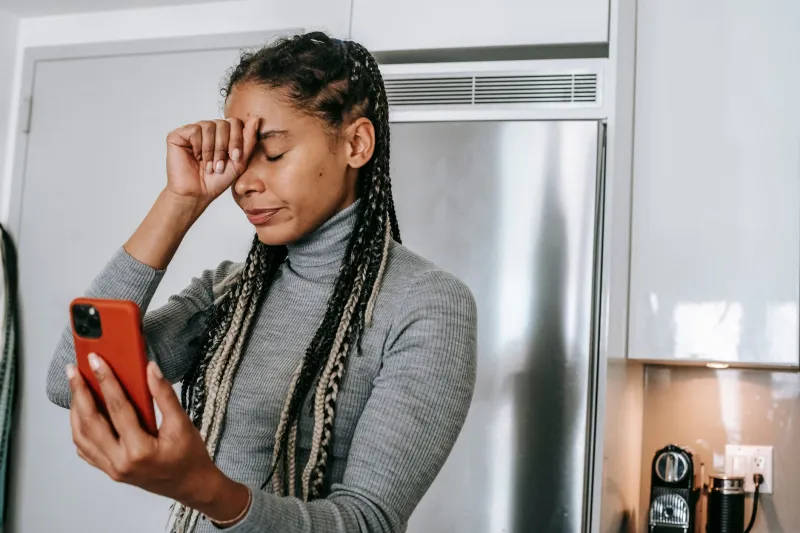
There's a particular kind of exhaustion that comes from performing your creative life for an audience that hasn't shown up yet. You've posted the process video, written the thoughtful caption, tagged the right accounts — and still, it feels like you're broadcasting into an empty room. What if the problem isn't your reach? What if it's the whole approach?
A growing number of working artists across the US are quietly building something more durable than a following. They're building communities. And the strange thing is, most of them weren't really trying to.
The Myth of the Aggressive Launch
We've been sold a version of creative success that looks a lot like a product launch. Build hype. Drop the work. Capture attention. Repeat. And for some artists, that rhythm works — at least for a while. But for many others, the constant push for visibility creates a feedback loop where the marketing starts eating the making.
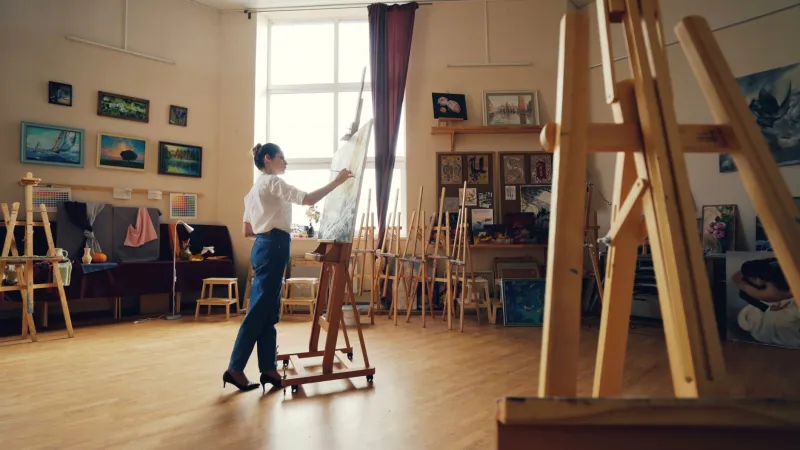
Muralist and illustrator Dani Reyes, based out of Portland, Oregon, spent two years trying to crack the algorithm before she more or less gave up. Not on her work — on the performance of her work. She stopped posting daily. She pulled back from trend-chasing. She started spending more time at her neighborhood art co-op, running informal drawing nights for whoever showed up.
"I wasn't trying to build an audience," she says. "I was just trying to feel less alone in the studio."
Within a year, her waitlist for commissioned pieces had grown longer than she could manage. The people who found her weren't following her Instagram strategy — they were following the recommendations of other people who genuinely loved what she made.
Word of Mouth Is Still the Most Powerful Algorithm
It sounds almost quaint in 2024, but person-to-person recommendation remains one of the most potent forces in the creative economy. When someone tells a friend about an artist they love, that endorsement carries a weight that no sponsored post can replicate. It arrives with trust already built in.
The challenge is that word of mouth can't really be manufactured. It has to be earned — through work that genuinely moves people, and through enough authentic contact with the world that those people actually have a chance to encounter it.
This is where the concept of being "invisibly visible" starts to make sense. It's not about hiding. It's about showing up in ways that feel natural rather than strategic — teaching a workshop at a local arts center, participating in an open studio event, contributing to a community mural project, or even just being the person at the gallery opening who actually talks to people instead of scanning the room for influencers.
These touchpoints don't generate analytics. But they generate something more valuable: genuine human connection to your work.
Craft First, Platform Second
Photographer Marcus Webb, who splits his time between Atlanta and rural Georgia, built a client base that keeps him booked year-round — almost entirely without social media. His approach is almost aggressively old-school: he shoots what interests him, prints his work, and shows it wherever people actually gather.
"I've shown at farmers markets, church events, community festivals," he says. "People see the actual prints. They hold them. That's a completely different experience than scrolling past a JPEG on a phone screen."
Marcus doesn't dismiss digital tools entirely — he has a simple website and responds to email — but he treats his online presence as a place for people to land after they've already been introduced to his work in the physical world. The platform is the follow-up, not the first impression.
This flipped model challenges the assumption that online visibility has to come first. For artists whose work has a tactile, experiential quality — ceramics, large-scale paintings, performance, textile work — the screen is genuinely a poor ambassador. Meeting the work in person, or hearing about it from someone who has, is a fundamentally richer introduction.
The Slow Burn Audience
Building this way takes longer. There's no getting around that. The artists who thrive with this approach tend to share a particular kind of patience — not passivity, but a genuine belief that the right audience is worth waiting for.
What they gain in return is remarkable loyalty. Fans who found your work through a trusted recommendation, or who discovered it while you were doing something you actually cared about, tend to stick around. They buy. They share. They show up to your next opening or your next release not because an algorithm surfaced it, but because they're genuinely invested in what you do next.
This is the sustainable fanbase model that no content calendar can fully replicate. It's built on depth rather than breadth — fewer people, more meaningfully connected.
Ceramic artist Yolanda Fuentes, who runs a small studio practice in Albuquerque, describes her audience as "fifty people who would actually miss me if I stopped." She's not chasing thousands of followers. She's cultivating a circle of collectors, collaborators, and creative peers who support her work in tangible ways — buying pieces, referring her to others, and advocating for her in rooms she's not in.
"That's the goal," she says. "Not fame. Continuity."
Practical Ways to Stay Invisibly Visible
If this approach resonates, here are a few ways to put it into practice without burning out on self-promotion:
Get physical. Show up to open studios, art fairs, local exhibitions, and community events. Let people encounter your work in three dimensions.
Teach something. Workshops, demos, and informal skill-shares put you in direct contact with people who already care about what you do.
Collaborate locally. Working with other artists, community organizations, or small businesses creates natural exposure to new audiences without the transactional feel of marketing.
Build a simple home base online. A clean website with your work, your story, and a way to get in touch is enough. You don't need to be everywhere — you just need to be findable when someone goes looking.
Let the work travel. Prints, zines, small editions — objects that people can share, gift, or live with become ambassadors for your practice long after you made them.
The Audience That Actually Stays
There's a version of creative success that looks very loud from the outside. And then there's the version that looks, to most people, like nothing much at all — until you get close enough to see what's actually been built.
The artists finding their people through craft, community, and quiet consistency aren't playing a smaller game. They're playing a longer one. And in an industry where burnout is practically an occupational hazard, that might be the most radical creative strategy of all.