Show the Mess: Why Sharing Your Work Before It's Ready Is Actually Your Smartest Career Move
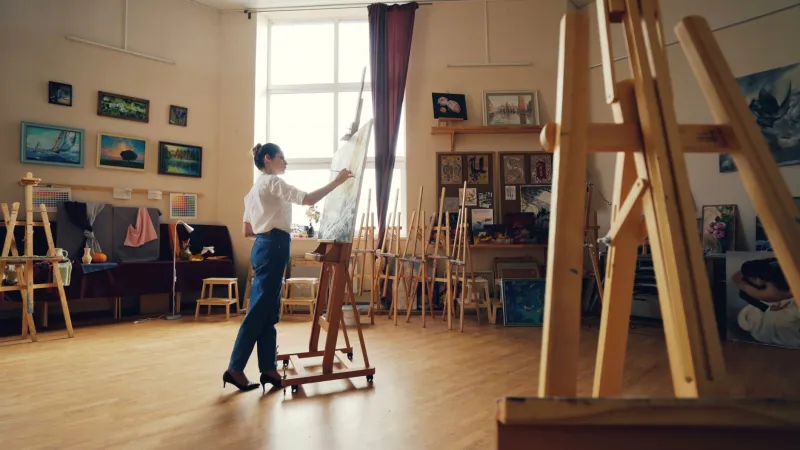
There's a long-standing tradition in the art world that says you don't show your work until it's ready. You finish the painting, you frame it, you hang it under good lighting, and then you invite people in. The reveal is the moment. The product is the point.
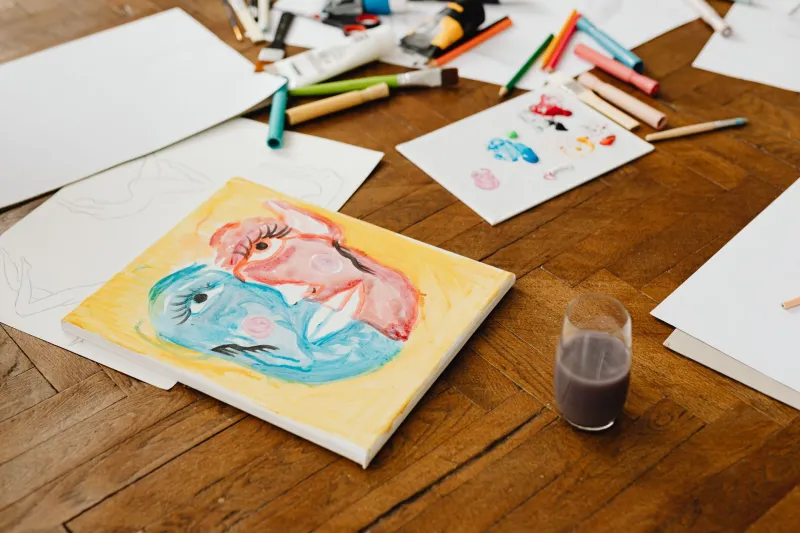
But something has been shifting — quietly at first, and now pretty loudly — in how artists are choosing to engage with their audiences. Increasingly, the most compelling thing isn't the finished piece hanging on a white gallery wall. It's the half-finished canvas covered in second-guessing. It's the sculptor's studio floor littered with clay scraps. It's the dancer filming herself at 11pm, running the same eight-count over and over, frustrated and sweaty and real.
The work-in-progress has become a legitimate creative format. And artists who understand that are winning.
Why Audiences Are Craving the Behind-the-Scenes
We live in a culture that's deeply skeptical of perfection. Audiences — especially younger ones — have grown up watching highly curated, heavily filtered content, and they've developed a sharp instinct for what feels manufactured versus what feels genuine. When everything looks too polished, people disconnect.
Process content does the opposite. A time-lapse of a mural taking shape over three days, a voice memo rambling through creative decisions, a sculptor posting a photo of the piece that cracked in the kiln — these things pull people in. They create a sense of being trusted with something unfinished, something still alive and changeable.
Psychologically, this taps into what researchers call the IKEA effect — the idea that people place higher value on things they feel involved in building. When an audience watches your work develop, they become emotionally invested in it. They're not just spectators at the reveal. They've been on the journey. That's a fundamentally different relationship, and it's one that tends to last.
The Intentionally Incomplete Installation
Some artists are taking this concept even further — not just documenting process online, but building it directly into their exhibition strategy. Think installations that are explicitly presented as unfinished, inviting viewers to witness a work mid-creation, or even participate in its evolution.
This approach challenges the traditional gallery model in an interesting way. The white cube has always implied authority — this is the finished thing, assessed and approved, ready for your contemplation. An intentionally incomplete installation says something different: this is still happening, and you're part of it now.
Several emerging artists across the US have been experimenting with exactly this. Interactive textile works that grow across a gallery run. Paintings that are visibly amended between opening night and closing day. Ceramicists who fire new pieces in the gallery itself, letting visitors watch the process unfold in real time. The exhibition becomes less of a destination and more of a living document.
What's striking is how audiences respond. Attendance at repeat visits tends to be higher. Conversations are longer and more substantive. People feel less like consumers of art and more like witnesses to it.
The Vulnerability Strategy (And Why It's Not as Scary as It Sounds)
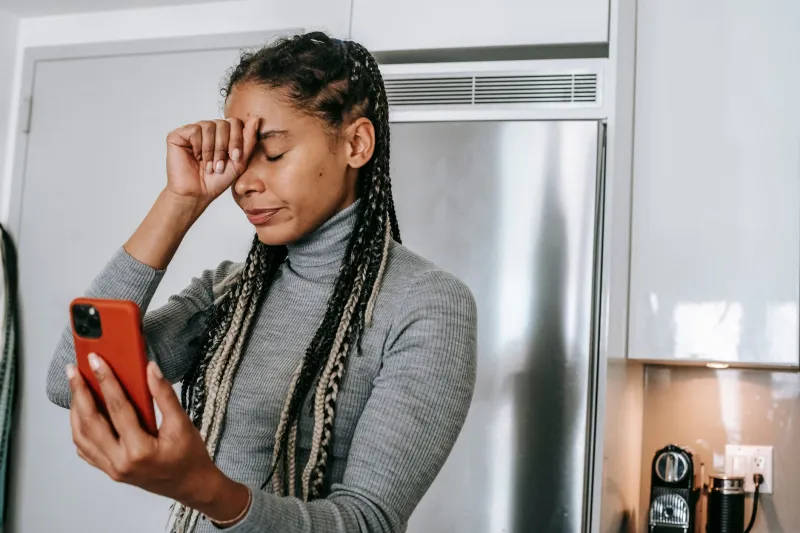
Here's where a lot of artists get stuck: showing unfinished work feels risky. What if people judge it before it's fully realized? What if sharing your process reveals your influences too clearly, or exposes the fact that you don't always know where you're going?
Those fears are legitimate. But consider what's on the other side of them.
When you show the mess — the revision, the wrong turn, the unexpected direction the piece took at 2am — you're not undermining your expertise. You're demonstrating it. Creative problem-solving in real time is a skill. Watching an artist navigate uncertainty and come out the other side with something meaningful is genuinely compelling. It tells your audience that the work has been wrestled with, not just executed.
There's also a community-building dimension here that's hard to replicate through any other format. Artists who document their process consistently — through studio vlogs, social posts, newsletter updates, or even live-streamed work sessions — tend to develop audiences who feel genuinely connected to them. Not just fans of the work, but invested in the person making it. That's the kind of loyalty that translates into real support: people who show up for your openings, share your projects, buy your pieces, and stick around when the algorithm changes.
Finding the Right Level of Openness
None of this means you have to livestream every brushstroke or narrate every creative doubt in real time. The goal isn't radical transparency for its own sake — it's intentional openness that serves both you and your audience.
For some artists, that looks like a monthly studio update with a few photos of works in progress. For others, it's a short process video posted before a finished piece drops, giving context that makes the final work land harder. For others still, it's building process directly into their exhibition concept, making incompleteness part of the artistic statement.
The key is being deliberate about what you share and why. The most effective process content isn't random documentation — it's curated vulnerability. You're choosing which moments to let people into, and that choice itself is a form of authorship.
Ask yourself: what part of my process would genuinely interest someone who cares about art? What would make them feel closer to the work, or help them understand something about it they couldn't get from the finished piece alone? Start there.
The Shift in What "Exhibition" Actually Means
Maybe the most interesting thing about this whole trend is what it suggests about the future of how art gets shown and experienced. The traditional exhibition model — finished work, fixed location, limited run — is just one option now. And for a lot of artists, it's no longer the most powerful one.
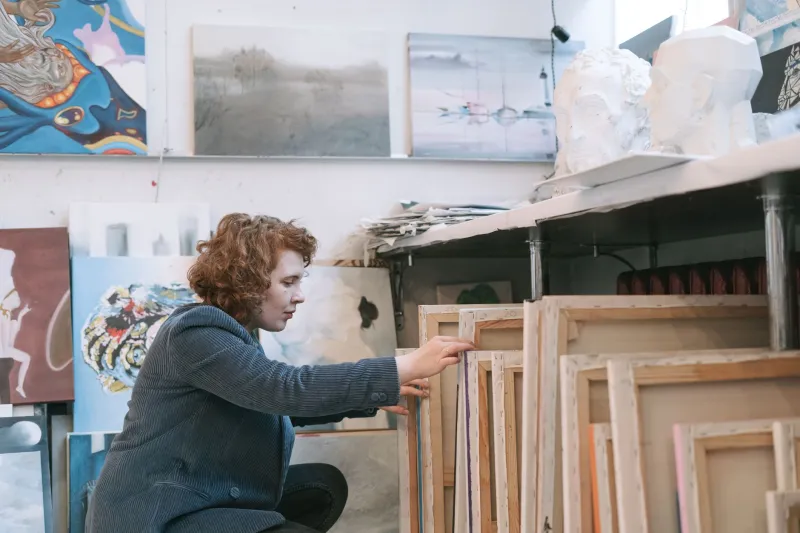
Your process is an exhibition. Your studio is a venue. Your creative journey, shared with intention and honesty, is a form of curation that can reach people a gallery opening never could.
The artists building the most durable careers right now aren't just making great work. They're making great work visibly — inviting their audiences into the creative act itself, and trusting that the mess is as interesting as the masterpiece.
Sometimes more so.