Wrong Platform, Right People: How Artists Are Accidentally Building Their Best Audiences

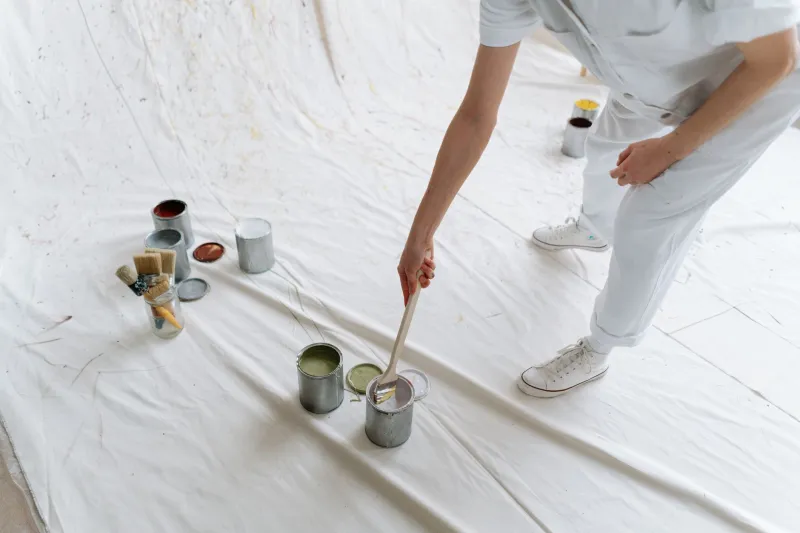
Photo by Photo by Vitaly Gariev on Unsplash on Unsplash
There's a version of the creative career playbook that tells you exactly where to show up. Photographers go to Instagram. Musicians go to Spotify and TikTok. Dancers post Reels. Illustrators build Pinterest boards. Follow the map, grow the audience, repeat.
Except a funny thing keeps happening. Artists who follow that map often find themselves shouting into a well-optimized void, while the ones who wandered somewhere unexpected stumble into rooms full of people who actually care.
This isn't a fluke. It's becoming a pattern.
The Algorithm Misfit Problem
Every major social platform has a dominant content type it was built to reward. Instagram loves polish. TikTok loves immediacy. YouTube loves depth. Twitter—or whatever we're calling it this week—loves heat.
When your creative work doesn't fit neatly into any of those templates, you can spend years optimizing for a platform that was never really designed for what you do. The algorithm isn't broken. It's just not built for you.
But here's the thing about misfits: they tend to find each other.
Take the growing wave of visual artists who've quietly discovered that Reddit communities—places like r/Art, r/ImaginaryLandscapes, or hyper-specific subreddits dedicated to particular styles and genres—are delivering more genuine engagement than months of Instagram posting ever did. Reddit doesn't reward follower counts or production quality. It rewards resonance. A piece that hits the right community can generate thousands of comments from people who actually know what they're looking at.
That's a different kind of audience than a passive double-tap from someone scrolling at midnight.
When Dancers Found Twitch
The crossover that surprises people most right now is the live performance world migrating toward Twitch. Built for gaming, Twitch has an infrastructure that most performing artists would design from scratch if they could: long-form live streaming, built-in tipping mechanics, a community chat that runs in real time, and an audience that's already comfortable spending hours watching someone do something they love.
Dancers who started streaming rehearsals, choreography breakdowns, and freestyle sessions on Twitch found something they hadn't expected—viewers who wanted to stay. Not scroll past. Not save for later. Actually sit with the work in real time and talk about it.
The chat format changes the relationship entirely. Instead of posting a finished piece and watching likes accumulate in silence, performing artists on Twitch are having conversations mid-process. Audiences ask questions. They request specific styles. They show up the next week because they feel like they're part of something that's still being built.
For live performers who've spent years trying to translate the energy of a stage into a 60-second clip, that's not a consolation prize. That's the real thing.
Musicians and the Discord Underground
Discord was designed for gamers to talk while they play. What it accidentally became is one of the most powerful community infrastructure tools available to independent musicians.
Servers dedicated to specific genres, production styles, or even individual artists have become places where music lives and breathes between releases. A musician who builds a Discord community isn't just maintaining a mailing list—they're running a living room where their listeners hang out, share what they're working on, and develop a relationship with the artist's process rather than just their output.
The artists finding real traction on Discord tend to be the ones who treat it less like a marketing channel and more like a neighborhood. They show up, they listen, they share half-finished ideas. The community that forms around that kind of presence is almost impossible to replicate through conventional promotional strategies.
And unlike follower counts on platforms that change their algorithms quarterly, a Discord community is something you actually own.
The Strategic Wander
None of this means you should abandon every platform and go looking for your people in the most obscure corners of the internet. But there's a real argument for building some intentional experimentation into your creative career.
The artists who've found their audiences in unexpected places usually got there by following genuine curiosity rather than a marketing plan. They showed up somewhere because it seemed interesting, not because a consultant told them to. That authenticity tends to show—and the communities that exist on platforms like Twitch, Reddit, and Discord are exceptionally good at detecting when someone is performing enthusiasm versus actually having it.
A few things worth considering if you're thinking about platform experimentation:
Let the work lead. Don't ask which platform you should be on. Ask where the conversation about what you make is already happening. Find that conversation and join it.
Lurk before you post. Every platform has its own culture and its own unwritten rules. Spend time understanding what the community values before you start putting work in front of it.
Don't dilute—translate. Showing up on a new platform doesn't mean recreating everything you do somewhere else. It means finding what aspect of your work fits the specific context of that space. Your Reddit presence and your TikTok presence can look completely different and still both be authentically you.
Let the audience tell you something. When a piece lands unexpectedly well in a community you didn't expect, pay attention. The response is data. It's telling you something about your work that your primary platform might be obscuring.
Movement Makers Start as Misfits
Some of the most durable creative movements in American culture started because artists couldn't find a home in the mainstream and built something new in the margins. That dynamic didn't disappear when the internet arrived—it just moved online.
The artists who are building genuinely loyal audiences right now aren't always the ones with the most followers on the most obvious platforms. A lot of them are the ones who wandered somewhere unexpected, found a room full of people who got it, and decided to stay.
The map isn't always right. Sometimes the detour is the destination.