Beyond the Grant Hustle: Creative Income Strategies That Actually Work for Working Artists
Let's be honest about something the art world doesn't talk about enough: most artists don't survive on grants and gallery commissions. They survive on hustle, creativity, and a willingness to think about income the way they think about their work — with intention, experimentation, and a healthy disregard for how things have always been done.
The good news is that the landscape for independent artists in the US has genuinely shifted. The tools, platforms, and audiences available today make it more possible than ever to build a financially sustainable creative practice without waiting for a gatekeeper to say yes. The challenge is figuring out which income streams actually work — and which ones quietly drain your creative energy without much return.
We dug into what's working for real artists across the country. Here's what we found.
Direct-to-Fan Platforms: Owning Your Audience
If there's one structural shift that's changed the game for independent artists, it's the ability to sell directly to the people who love your work — no intermediary, no fifty-percent gallery split, no institutional approval required.
Platforms like Patreon, Substack, and Bandcamp (for musicians) have proven that fans will pay for access, process, and connection — not just finished product. Visual artists on Patreon, for instance, often offer tiered memberships that include studio updates, early access to new work, downloadable assets, or behind-the-scenes content. The monthly recurring revenue model is particularly valuable because it creates predictability in an otherwise feast-or-famine income cycle.
Take the case of illustrator and muralist Dani Osei, based in Atlanta. After years of chasing editorial commissions and licensing deals, she launched a Patreon in 2022 focused on her personal sketchbook practice — something she'd never considered monetizable. Within eight months, she had 340 paying members and a reliable monthly baseline that covered her studio rent. "I was giving it away for free on Instagram anyway," she says. "Turns out some people actually wanted to support the work directly. I just had to make it easy for them."
Commission Models That Respect Your Time
Commissions are nothing new, but the way artists structure them has evolved significantly. The old model — quote a price, do the work, hope the client is happy — left too much room for scope creep, revision spirals, and undervalued labor.
Smarter commission frameworks now include detailed intake questionnaires, tiered pricing based on usage rights (personal vs. commercial), clear revision limits written into contracts, and non-refundable deposits that protect the artist's time upfront. Platforms like HoneyBook and Dubsado have made this kind of professional client management accessible even for solo artists who don't have a business background.
For performing artists, commission equivalents include custom compositions, personalized performances, and residency-style engagements with organizations that want an artist embedded in their community. The key is pricing the relationship and expertise, not just the deliverable.
Teaching as a Creative Revenue Stream (Not a Compromise)
There's a persistent myth in artist communities that teaching is what you do when you can't make a living from your work. That framing is both outdated and counterproductive. Some of the most creatively vital artists in the US have built teaching into the core of their practice — not as a fallback, but as a genuine extension of their artistic identity.
Workshops, intensives, online courses, and one-on-one mentorship sessions can generate meaningful income while simultaneously deepening an artist's own understanding of their craft. Platforms like Skillshare, Teachable, and Maven have lowered the barrier to creating and selling educational content, while in-person workshops offered through community studios, arts centers, or even your own space can command premium rates — especially when they're tied to a recognizable artistic voice.
Sculptor and installation artist Marcus Webb, based in Detroit, runs four weekend workshops a year out of his studio, each capped at eight participants. At $350 per person, that's $11,200 annually from four weekends — money that directly funds new materials for his larger installation work. "Teaching slows me down in the best way," he says. "Explaining my process to someone who's never done it before makes me understand it better myself."
Licensing: Making Your Work Work for You
For visual artists especially, licensing represents one of the most underutilized income opportunities available. Your existing work — patterns, illustrations, photographs, paintings — can generate royalty income when licensed to manufacturers, publishers, apparel companies, home goods brands, and more.
Marketplaces like Society6, Redbubble, and Spoonflower offer passive income potential with relatively low overhead, though margins can be thin. More lucrative are direct licensing deals negotiated with brands or through licensing agents, where artists retain rights and earn royalties on every unit sold.
The learning curve around rights management and contract negotiation is real, but resources like the Graphic Artists Guild Handbook: Pricing & Ethical Standards offer a solid foundation. Some artists also work with licensing consultants or legal advisors who specialize in creative IP — an upfront cost that often pays for itself quickly.
Hybrid Hustles That Don't Dilute the Vision
Some of the most interesting income models we've encountered don't fit neatly into any single category. They're hybrid arrangements that leverage an artist's skills in adjacent ways without pulling them too far from their core practice.
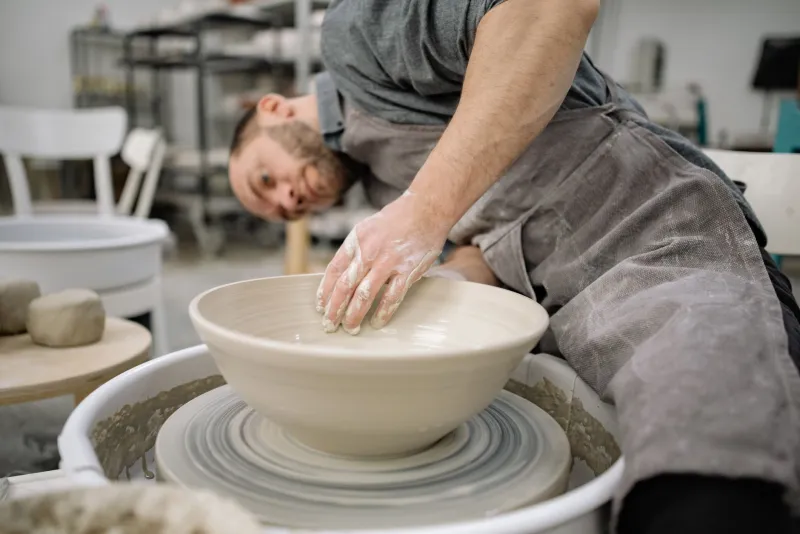
Examples include: a muralist who offers brand consultation to companies wanting to develop visual identities; a ceramicist who creates custom tableware for high-end restaurants; a performance artist who facilitates corporate creativity workshops using their theatrical background; a photographer who licenses their archive to editorial clients while maintaining a fine art practice.
The through-line in all of these is intentionality. The artists making these models work aren't saying yes to everything — they're making strategic choices about which opportunities align with their skills, values, and the kind of work they want to keep making.
The Bigger Picture
Building a diversified income as an artist isn't about abandoning the dream of making great work. It's about creating the conditions under which that work can actually happen — consistently, sustainably, and on your own terms.
The artists who are thriving right now aren't waiting for the right grant cycle or hoping a gallery comes calling. They're treating their creative practice like the legitimate enterprise it is: building audiences, protecting their time, pricing their expertise fairly, and staying curious about new ways to connect their work to the people who value it.
That's not selling out. That's building something that lasts.