Fifty, Fearless, and Just Getting Warmed Up: The Late Bloomers Who Rewrote the Rules
We've all internalized the mythology by now: if you haven't made it by 30, you're done. The gallery world chases fresh MFA grads, the music industry signs teenagers, and dance careers are supposedly over before they begin. But spend any real time in studios, rehearsal rooms, and open mics across the country, and you'll meet a very different population — the second-act artists who didn't start until everyone said the window had slammed shut.
Their stories aren't feel-good fluff. They're case studies in timing, nerve, and what actually matters when you make work.
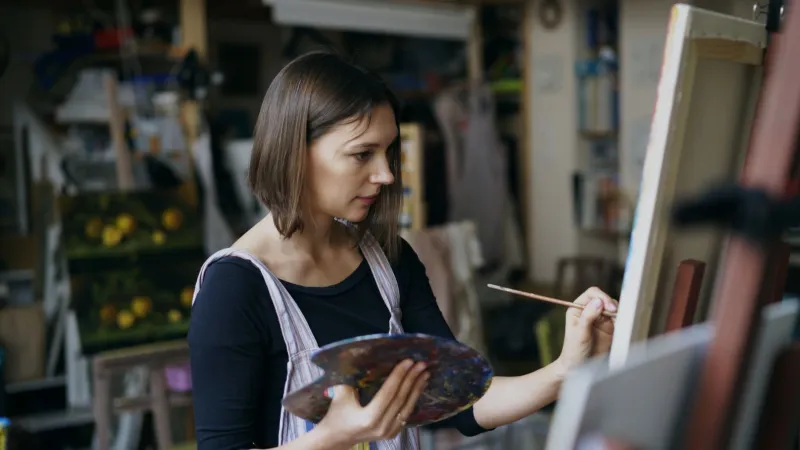
The Painter Who Picked Up the Brush at 52
Carmen Herrera didn't sell her first painting until she was 89. Julia Warhola, Andy's mother, did commercial lettering well into her seventies. And then there are the thousands of unnamed artists filling community college continuing-ed classes in places like Santa Fe, Asheville, and Portland — people who spent decades as accountants, nurses, and teachers before giving their creative lives a real shot.
What's striking in talking to late starters isn't regret. It's focus. A 55-year-old painter who left corporate design doesn't waste years chasing trends she doesn't care about. She knows what she wants to say because she's had 30 extra years to figure it out.
"I stopped painting for other people's living rooms the day I realized I'd already survived worse things than a bad review," one Ohio-based abstract painter told us. She retired from nursing at 50 and had her first solo show within four years.
Why Midlife Might Be the Creative Advantage Nobody Talks About
There's actual research behind this. Studies on creative productivity consistently show that many artists produce their most significant work in their 50s and 60s — what economists call 'experimental innovators' improve with accumulated experience rather than burning out young.
Think about what a second-act artist brings to the table:
- A lifetime of raw material. Grief, joy, career changes, raising kids — it's all fuel.
- Financial literacy. They've budgeted, negotiated, and survived. Pricing and self-promotion aren't mysteries.
- Zero patience for nonsense. The gatekeepers have less leverage over someone who's already lived a full life without them.
- A built-in network. Former colleagues become collectors. Old friends become your first street team.
The Dancer Who Choreographed Her Own Comeback
Dance is supposedly the cruelest field for aging bodies, but the second act looks different here too. Former performers are moving into choreography, company leadership, and movement education — and audiences are responding to work made by people who've actually lived.
Across the US, small companies and independent presenters are hungry for work that speaks to audiences over 40, a demographic traditional dance programming routinely ignores. The late-blooming choreographer isn't competing with 22-year-olds; she's serving a crowd nobody else is even addressing.
What to Do If You Feel the Window Closing
If you're sitting on a creative dream at 45, 55, or 70, here's what the late bloomers consistently recommend:
1. Kill the timeline in your head. The 'too late' deadline was never real. Museums don't check birth certificates at the door.
2. Start embarrassingly small. One sketch a day. One song a month. Momentum beats intensity.
3. Use your age as a niche, not an apology. Your perspective is the product. Nobody else has lived your 50 years.
4. Budget like a grown-up. Second-act artists have a huge edge here — they know how to fund a slow build without panicking.
5. Find your peers. Community arts centers, local guilds, and online groups for 'emerging' artists over 50 are everywhere and growing fast.
The Real Lesson
The second act isn't about proving the doubters wrong. It's about finally making work with nothing left to lose — no student debt identity, no need to impress a professor, no fantasy of being discovered. Just the work, and the time to do it right.
The prodigies had their moment. The rest of us are just getting started.